Nípa Wa · About Us

Thestory

ofEgushi.

A proud quarter of an ancient Awori kingdom — three centuries deep, still beating.

IChapter One · Origins

Born of Ile-Ife, guided by Ifá.
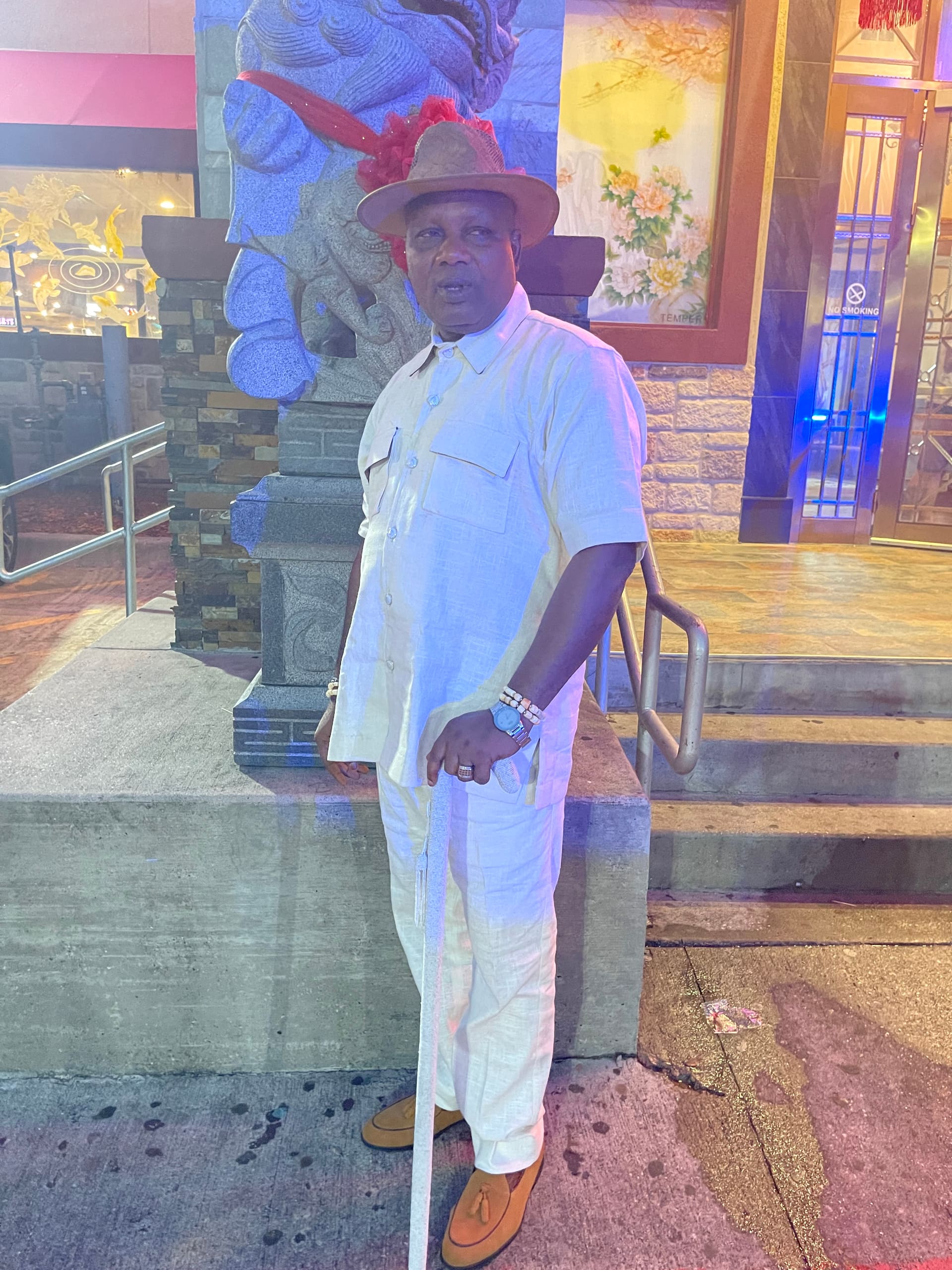
Egushi Chief

Ogunmisi — the ancestral founder

Egushi, an ancient settlement within the Oruba quarters under the Awori kingdom of Ọta, traces its origins back nearly 300 years. The town was first established by Ogunmisi, the son of Olofin, revered as the ancestral founder (baba nla) of the community. Ogunmisi migrated from Ile-Ife alongside his brother Ogunshi, both renowned hunters (ọdẹ).

Before departing Ile-Ife, Ifá divination guided them to settle beside a great tree (igi nla). Upon arrival, they discovered it was a magnificent Iroko tree. They carried with them their sacred idols (òrìṣà) — namely Otuku, Edun, Korilegbe, Akata, and Ida — which they worshipped faithfully.

"Ẹ wá wo ere tó gun igi Esi!"

COME AND SEE THE PYTHON CLIMBING THE ESI TREE

Near their settlement stood another prominent tree called Esi, originally known as Ose. One sunny evening (ní ìrọ̀lẹ́ kan), they sighted an enormous python (ere) — fearsome and hungry — emerging from a nearby river. The serpent coiled itself around the Esi tree, resting its head upon a branch as it scanned for prey. A passerby, alarmed by the sight, cried out the warning above. From this very phrase — "ere tó gun igi Esi" (eregunshi) — the name Egushi was derived.
IIChapter Two · The Sacred

The worship of Otuku.

Of all the original idols, Otuku, Eleigba, Osa Oke, Ogun and Obatala are the only ones that remain in Egushi town today. They are kept under the custody (ìtọ́jú) of the Ogunmisi Ajana Egushi family. All the idols are worshipped every 17 days by the male descendants of the lineage. During worship, female descendants and visitors must remain outside the shrine (òde ojúbọ).

Ajá
dog
Eku
rat
Epo
palm oil
Ẹ̀kuru
bean cake
Obì
kola nut
Ọtí
schnapps
Orógbó
bitter kola

A kì í júbà òrìṣà yìí ní ojú òrun — the òrìṣà must never be approached under the open sun. A kì Ìbọ ní ojú ọ̀sán (worship in daylight) is forbidden; every ètùtù is performed only at dawn (àfẹ̀mọ́júmọ́), in the cool hush (jẹ́jẹ́) before the world wakes. Otuku kì í wo òòrùn, kì ba Egúngún se, kì í sì ba Oró se — Otuku may not look upon the sun, nor upon Egúngún (the masquerade), nor upon Oró. Wọ̀nyí ni èèwọ̀ rẹ̀ — these are its sacred boundaries.

Each òrìṣà has its keeper (olùtọ́jú), and each keeper carries the weight of the lineage upon their shoulders. Ajana Egushi is the custodian of the Otuku shrine — currently High Chief Kamolideen Asubiojo, who keeps the rites in the way they were handed down. High Chief Owolabi Aina stands as olùtọ́jú Eleigba, guardian of pathways. Sakirudeen Alagbe watches over Osa Oke (òrìṣà ti òkè). Sikiru Alagbe tends the shrine of Èṣù — the messenger between worlds. And Taiwo Aina serves as keeper of Ògún, òrìṣà of iron and labour. Bí àwọn baba wa ṣe fi sí lọ́wọ́ wọn — exactly as it was placed in their hands by the ancestors.

The taboos extend beyond the shrine. The children of Egushi (ọmọ Egushi) must never eat at the Egúngún or Oró shrine — to do so is to break a covenant older than memory. And no son or daughter of Egushi may rear a dog (ajá) within the family compound; the dog, sacred to the òrìṣà, belongs to ritual alone.

These are not mere customs — they are the unspoken contracts (májẹ̀mú) between the living and the ancestors who watch over them.

Lineage
IIIChapter Three · Lineage

Six generations, one bloodline.

From Ogunmisi the founder to Adio Maroof Alagbe — the first crowned Elegushi of Egushi Ọta.

I

Ogunmisi

Baba Nla · Ancestral Founder

Son of Olofin; migrated from Ile-Ife with brother Ogunshi.

II

Ige-Ijaore

Son of Ogunmisi

Continued the lineage in the new settlement. Father to Alagbe (M), Ombile (F), and Aina (F).

III

Alagbe

Father of Four

Brother to Ombile and Aina; began the modern line. Father of Alimi Erinle Alagbe (M), Sidikatu Alagbe (F), Yesufu Asubiojo Alagbe (M) and Inukobimi Alagbe (F).

IV

Alimi Erinle Alagbe

Son of Alagbe

Father of Hana Alagbe (Iya Ilugba), Bisriyu Alagbe (Baba Kafinta), Raji Alagbe (Baba Agatu), Salisu Alagbe (Baba Acada), Azeez Alagbe (Baba Agege), and Jeminatu Alagbe (Iya Apapa).

V

Bisriyu Alagbe

Son of Alimi Erinle

Father of Fatai Ajani Alagbe (M), Musiliu Olayinka Alagbe (M), Basirat Akinsanya Alagbe (F), Adio Maroof Alagbe (King), Taibat Alagbe (F), Ayisat Alagbe (F), Balikis Alagbe (F), Sakirudeen Akani Alagbe (M), Razak Alagbe (M) and Aminat Alagbe (F).

VI

Adio Maroof Alagbe

First Baálẹ̀ · First Elegushi of Egushi Ọtta

The first crowned ruler of Egushi. Father of Mariam Alagbe (F), Sodiq Alagbe (F), Yusuf Alagbe (M), Nosirat Abiola Alagbe (F), Fatimoh Alagbe (F), Idris Alagbe (M), Mistura Alagbe (F), Lateef Olashile Alagbe (M), Sulaimon Omotolani Alagbe (M), Malik Atanda Alagbe (M), Rahmon Abolore Alagbe (M), Sofiat Alagbe (F), Samod Alagbe (M), Roheem Alagbe (M), Seleem Alagbe (M), and Jamaldeen Alagbe (M).

IVChapter Four · Today

Tradition meets industry.

Today, Otta is the capital of Ado-Odo/Ota Local Government Area and has grown into one of Nigeria's largest industrial hubs — home to hundreds of manufacturing companies. Yet through all this growth, communities like Egushi have preserved our Awori culture, language, and traditions.

The traditional ruler, the Elegushi of Egushi Otta, remains the spiritual and cultural anchor of our community — leading festivals, settling disputes, and preserving the ancient ways of the Egushi people.

See the festivals

Elegushi
0+
Years of History
0
Family Egunguns
0+
Otta Residents
Àṣà Wa · Culture & Tradition

Six pillars of identity.

01

Traditional Royalty

Ìjọba Ìbílẹ̀

The Elegushi of Egushi Otta leads our community with wisdom and spiritual authority, maintaining royal traditions.

02

The Òrìṣà Otuku

Ọdún Otuku

Our principal òrìṣà — brought from Ile-Ife by Ogunmisi, worshipped every 17 days at dawn, never beneath the open sun.

03

Textile & Crafts

Iṣẹ́ Ọwọ́

Aso-oke weaving, pottery, and blacksmithing — celebrated crafts that connect us to our ancestors.

04

Awori Language

Èdè Àwọrì

The Awori dialect of Yoruba, our mother tongue — spoken in homes, at celebrations, and in prayer.

05

Traditional Music

Orin Ìbílẹ̀

Talking drums, sekere, and agogo are the heartbeat of our festivals and gatherings.

06

Spiritual Heritage

Ìgbàgbọ́

Egushi honours ancient Yoruba deities — Otuku, Ogun, Sango, Osun, Obatala, Eleigba, Osa Oke, Korilegbe, Aje and Gelede — alongside Islam and Christianity.

Ìbùkún · The Blessings

Thirty-one institutions, one community.

Egushi is blessed (ìbùkún) with reputable institutions and businesses serving the community.

01Nigerian Building, Road and Research Institute
02May & Baker Pharma Centre
03Bells University
04Covenant University
05Medicare Hospital
06Peace Han Nursing School
07Temperance Hotel (The Bells)
08Grand Bank Hotel
09Adeseye Royal College
10The Bakers Place
11Baker Water and Beverages
12Ayo Inn Hotel
13PMC Hotel
14NNPC Filling Station
15YTK Filling Station
16TATA Motors
17G-Caleb Spare Parts
18Winners Chapel of Faith
19Bethel Covenant Family Church (BCFC)
20Amazing Grace Water & Food
21Favor Divine Indoor and Outdoor Catering Service
22Kingdom Heritage School
23Faith Primary and Secondary School
24Wisdom Land School
25Kayfat Filling Station
26Wonderland Kiddies Centre
27ACADA Science and Technology
28ASTRO College
29Igbehin-Adun Daily Market
30Moral Global Properties and Investment Nigeria Ltd
31Terra Aqua Environment Consultancy Limited
Be part of it

Thisisyour

community.

Whether you live in Egushi or abroad — this is your platform. Your story.

Egushi, Otta
ÌLÚ EGUSHI · OTTA

A proud Awori ancient town in Otta, Ogun State, Nigeria. Home of rich culture, ancient traditions, and vibrant festivals.

Ilú wa, àṣà wa — Our town, our culture.

FESTIVALS
Otuku Festival
Egushi Ogun Festival
Eleigba Festival
Osa Oke Festival
Korilegbe Festival
Aje Festival
Obatala Festival
Odo Atura Festival
Gelede Festival
CONTACT
Egushi, Otta, Ogun State, Nigeria
Jaye Wasiu
Advertise Here →
© 2026 Egushi Town, Otta — All Rights ReservedAdo-Odo/Ota LGA · Ogun State · Nigeria